
Updated October 2026 · From the team that has been making HerbSaver grinders since 2014
A weed grinder is the most-used piece of gear in almost every setup, and it's also the one people put the least thought into buying. The grinder you choose decides how evenly your flower burns, how easily your joints and cones roll, and whether you ever collect kief. This guide covers everything we've learned from twelve years of designing grinders and hearing from more than a million customers: the types, the parts, sizes, materials, how to use one, how to clean one, and how to choose.
What does a weed grinder do?
A grinder breaks dried flower into small, even pieces. That matters for three reasons:
- Even burn. Evenly ground flower burns at a steady rate instead of canoeing or running down one side of a joint.
- Easier rolling. A fluffy, consistent grind packs into papers and pre-rolled cones without lumps or air pockets.
- Less waste, clean hands. Breaking buds up by hand leaves resin on your fingers. A grinder keeps it in the grinder, and a 4-piece grinder even collects it for you as kief.
The parts of a grinder
Most grinders are built from the same few parts, stacked in different combinations:
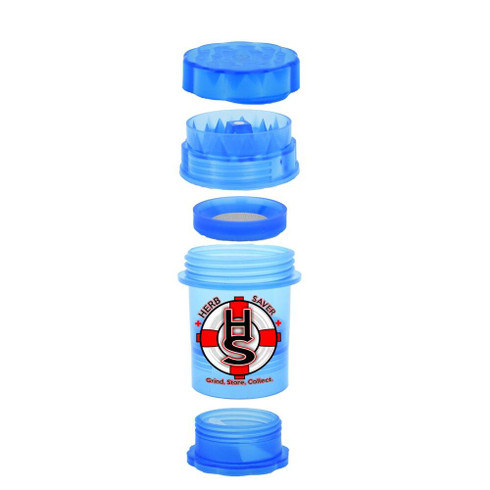
- Lid: the top piece, with teeth on the underside. Good lids use magnets so they stay shut in a pocket or bag.
- Grinding chamber: the piece with matching teeth. Twisting the lid against it shreds the flower. On most grinders the floor of this chamber has holes so ground flower can fall through.
- Collection chamber: where the ground flower lands, ready to roll or pack.
- Screen: a fine mesh at the bottom of the collection chamber. Only the tiny resin glands (trichomes) are small enough to fall through.
- Kief catcher: the bottom chamber, where those trichomes build up as kief over time.
Types of grinders: 2-piece, 3-piece and 4-piece
2-piece grinder
A lid and a grinding chamber, nothing else. You grind and pull the flower straight out of the teeth. It's the lightest, cheapest and quickest to clean, which makes it great for festivals, travel and as a backup grinder. The tradeoff: no screen, so no kief. The HerbSaver 2-Piece adds a built-in stash spot so you can carry a little extra.
3-piece grinder
A lid, a grinding chamber and a collection chamber. Ground flower drops into its own compartment, but there's still no screen, so kief mixes in with everything else.
4-piece grinder
All five parts above: lid, grinding chamber, collection chamber, screen and kief catcher. This is the most popular design because it separates your ground flower from kief automatically. If you want to save kief, you want a 4-piece grinder. Our Large 4-Piece is the grinder HerbSaver started with.
Grinder sizes
Grinder size is usually listed as diameter. Bigger grinders hold more and are easier to twist; smaller ones travel better.
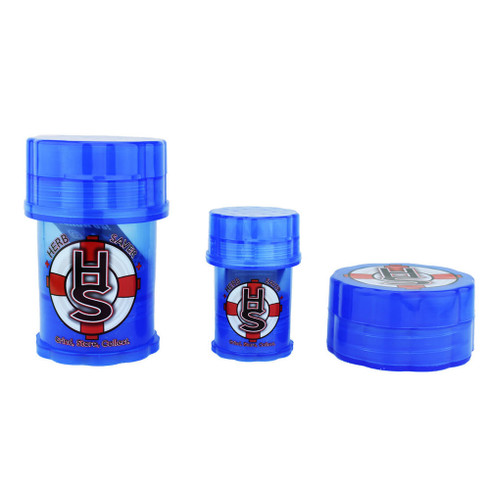
- Mini / travel (around 1.5" wide): one or two people, pockets, travel. Our Mini 4-Piece is 1.5" × 2.5".
- Standard / large (around 2.2"–2.5" wide): the everyday size for home sessions and groups. Our Large 4-Piece is 2.4" × 3.8".
- Jumbo (3"+): for people grinding large amounts at once. Heavier and less portable.
Grinder materials: plastic, aluminum, wood and more
Plastic
Light, affordable and available in every color. The catch is quality: cheap plastic grinders use soft, rounded teeth that dull quickly. A well-made plastic grinder uses a food-safe, BPA-free plastic like polypropylene and sharp, well-designed teeth. All HerbSaver plastic grinders are food-safe, BPA-free polypropylene.
Aluminum
The most popular metal. Aluminum grinders are durable, precise and heavier in the hand. Look for aircraft-grade aluminum and an anodized finish, which resists wear. Avoid bargain metal grinders made from soft zinc alloy, which can flake. See our aluminum grinders.

Wood, stainless steel and electric
Wood grinders look great but usually have pegs instead of teeth and no kief screen. Stainless steel is extremely durable and heavy, and usually priced to match. Electric grinders are fast but add batteries, noise and less control over texture.
What makes a grinder good?
- Sharp teeth. Diamond-shaped teeth cut instead of crushing, so you get a fluffy grind instead of a mashed one.
- A magnetic lid. Keeps the grinder closed in a bag and makes the lid easy to line up.
- A quality screen. Fine enough to sift kief, strong enough to last, and replaceable if it ever tears.
- Smooth threads. The chambers should screw together easily without cross-threading or sticking.
- A real warranty. A company that stands behind its teeth for life is betting its grinder will last. Every HerbSaver comes with a lifetime warranty on the teeth.
How to use a weed grinder
- Break buds into a few pieces about the size of a pea and remove any stems.
- Place them between the teeth in the grinding chamber, away from the center pin.
- Put the lid on and twist back and forth 8 to 12 times. Tap the side so ground flower falls through.
- Open the collection chamber and pull out your ground flower.
- Every few sessions, check the kief catcher and scrape it out with a pollen scraper.
Tip: for a finer grind, twist more. For a coarser grind that suits some pipes, twist less. Don't overfill: a half-full grinding chamber grinds more evenly than a packed one.
What is kief and how do you use it?
Kief is the collection of trichomes, the tiny resin glands on the outside of the flower. A 4-piece grinder's screen sifts them into the kief catcher as you grind. Over weeks, you'll build up a small amount of fine, powdery kief. Many people sprinkle it on top of a bowl or add it to a joint. For more ideas, read our guide to ways to use kief.
How to clean a grinder
- Take the grinder apart completely.
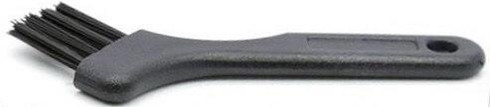
- Brush out loose material and kief from the teeth and screen with a soft kief brush.
- Soak the pieces in warm, soapy water for 20 to 30 minutes to loosen sticky resin.
- Scrub the teeth and threads gently, and be careful with the screen.
- Rinse and let every piece dry completely before putting it back together.
If the twist starts to feel stiff or sticky, it's time to clean. A torn or clogged screen can be replaced with a replacement kief screen.
For the full step-by-step, including what's safe for plastic vs aluminum and how to save your kief first, read our guide on how to clean a weed grinder.
How to choose the right grinder
Want our specific recommendations? See the best weed grinder in 2026, with picks for daily use, travel and durability.
- You want to save kief: any 4-piece grinder.
- You travel a lot: a Mini 4-Piece or a 2-Piece.
- You want one grinder for life: an aluminum grinder.
- You want something that stands out: a limited edition design.
- You're buying a gift: a Smoker Kit or anything in our stoner gift guide.
Grinder FAQ
What is the best type of weed grinder?
For most people, a 4-piece grinder with sharp teeth, a magnetic lid and a kief catcher. It grinds evenly, keeps ground flower separate and collects kief.
Are plastic grinders safe?
A grinder made from food-safe, BPA-free plastic like polypropylene is a safe choice. Avoid unbranded grinders that don't list their material.
Why is my grinder hard to turn?
Resin buildup in the threads and teeth. Give it a warm soapy soak and a scrub, then dry it fully.
How long does a grinder last?
A quality grinder lasts years. Screens are the part most likely to wear, and they're cheap to replace.
Why put a coin in a grinder?
Some people drop a coin in the kief catcher and shake the grinder to knock more kief through the screen. It works, but gently brushing the screen does the same job with less wear.
Shop HerbSaver
- Weed grinders & herb grinders – every HerbSaver grinder in one place
- Grinder screen replacement – replacement kief screens for the Large HerbSaver